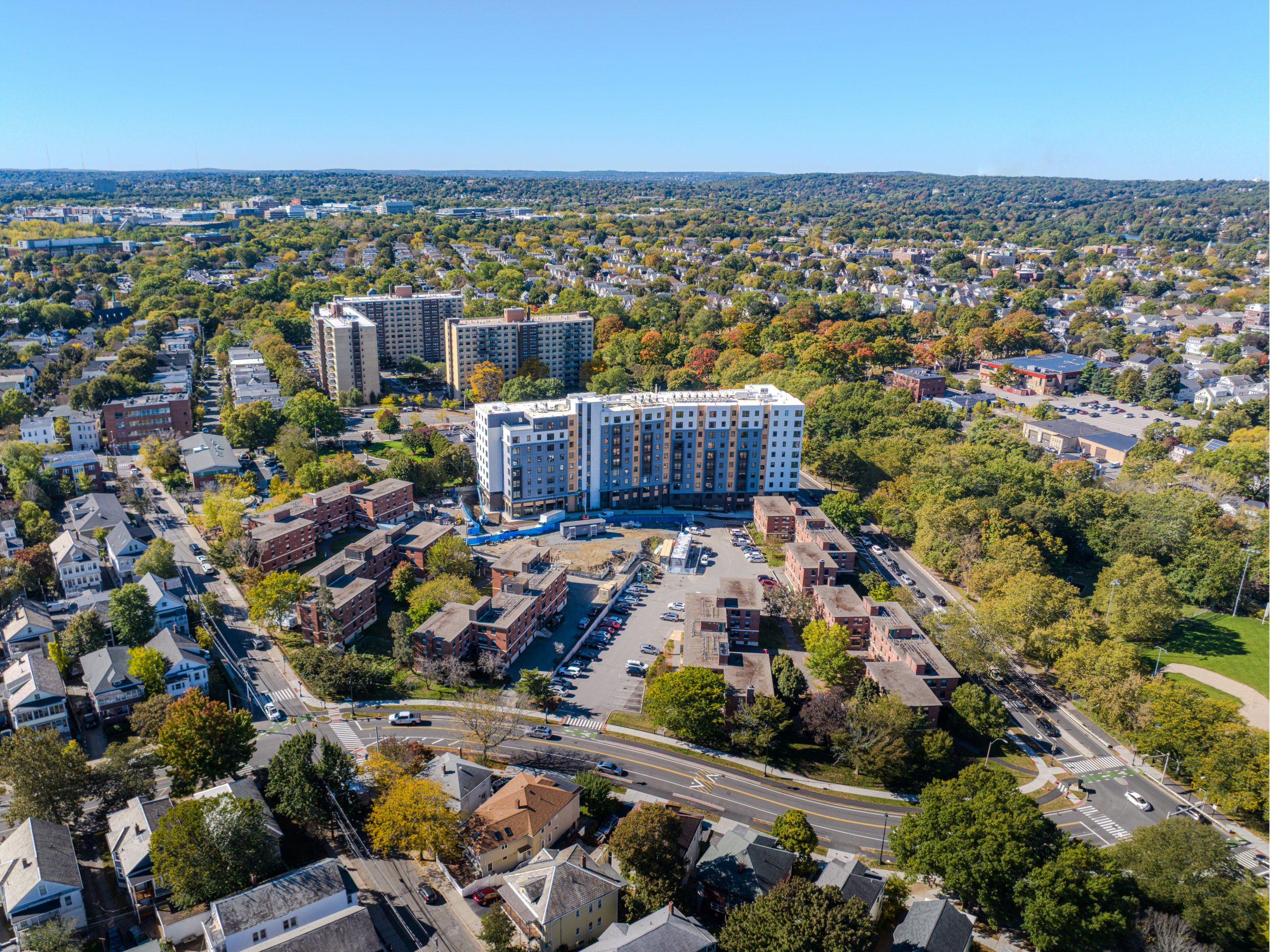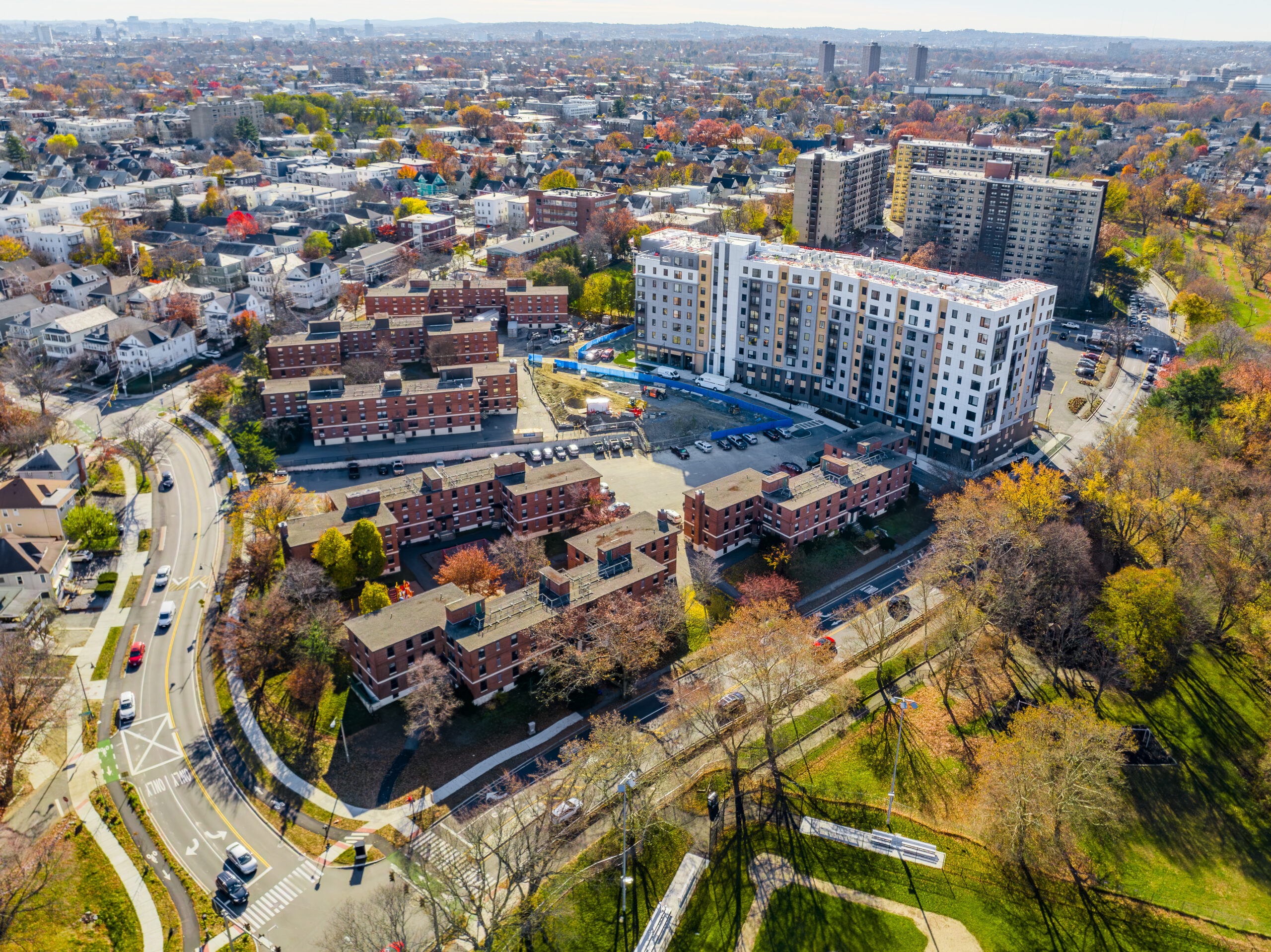
The obsolete Clarendon Hill development will be transformed into a mixed-income community, reconnected to its surrounding neighborhood with new streets, parks and a variety of building types. Plans call for a higher density community, that transitions the scale of the surrounding Somerville residential neighborhood onto the site. Five Hundred and sixty-one (561) housing units will replace the existing, underutilized 216 units, in a range of housing types, envisioned to engage a new public realm.
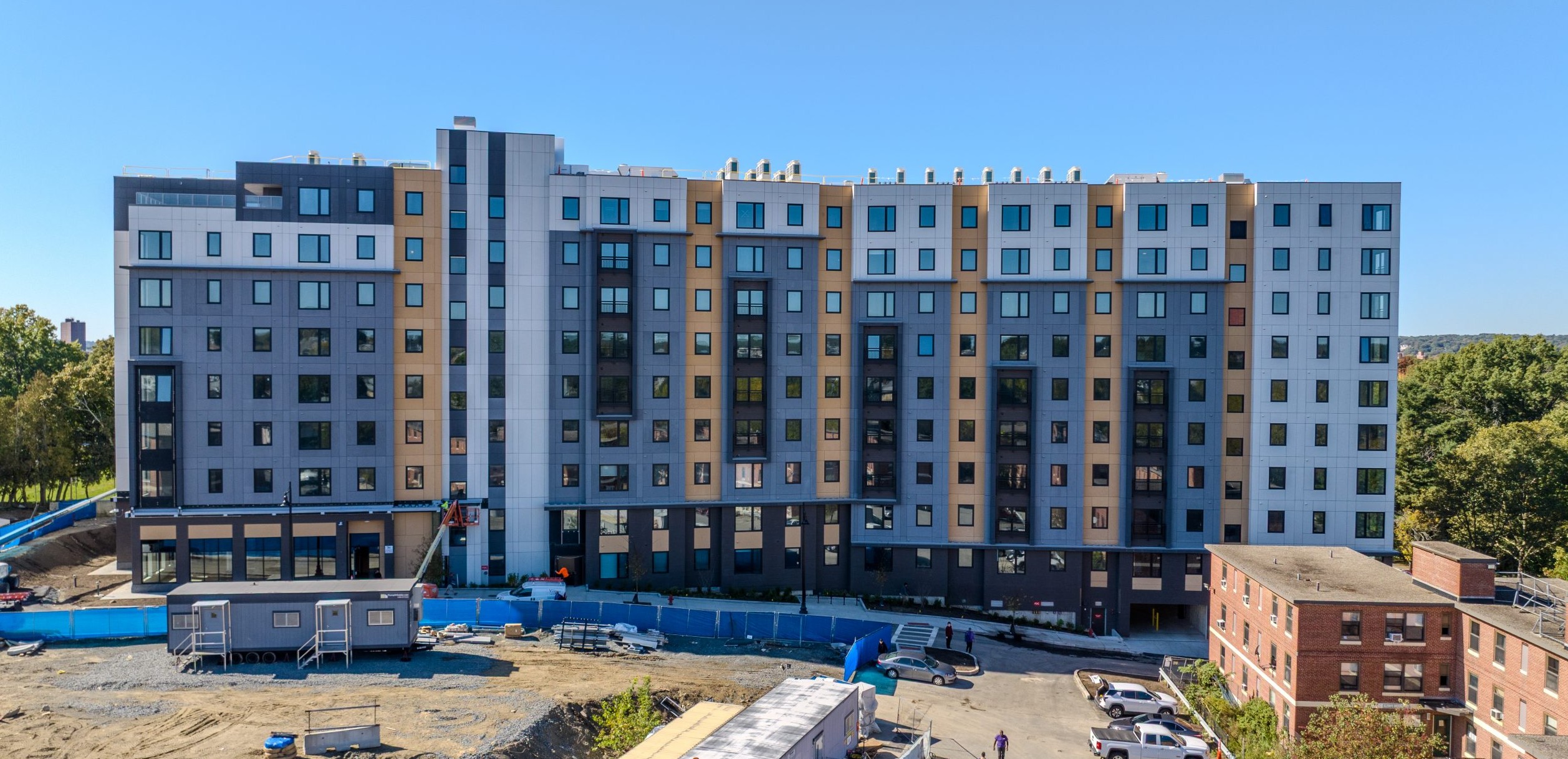
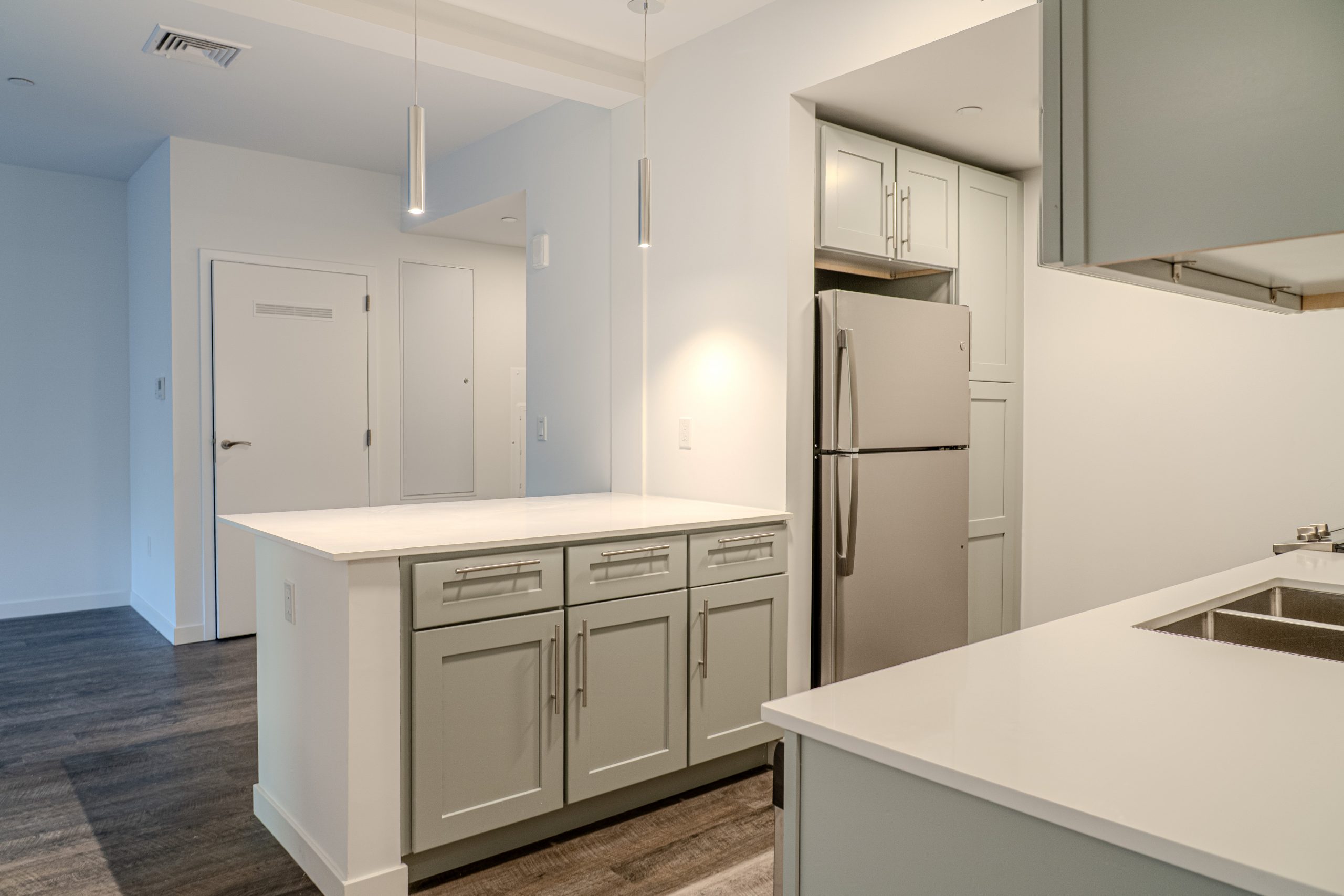
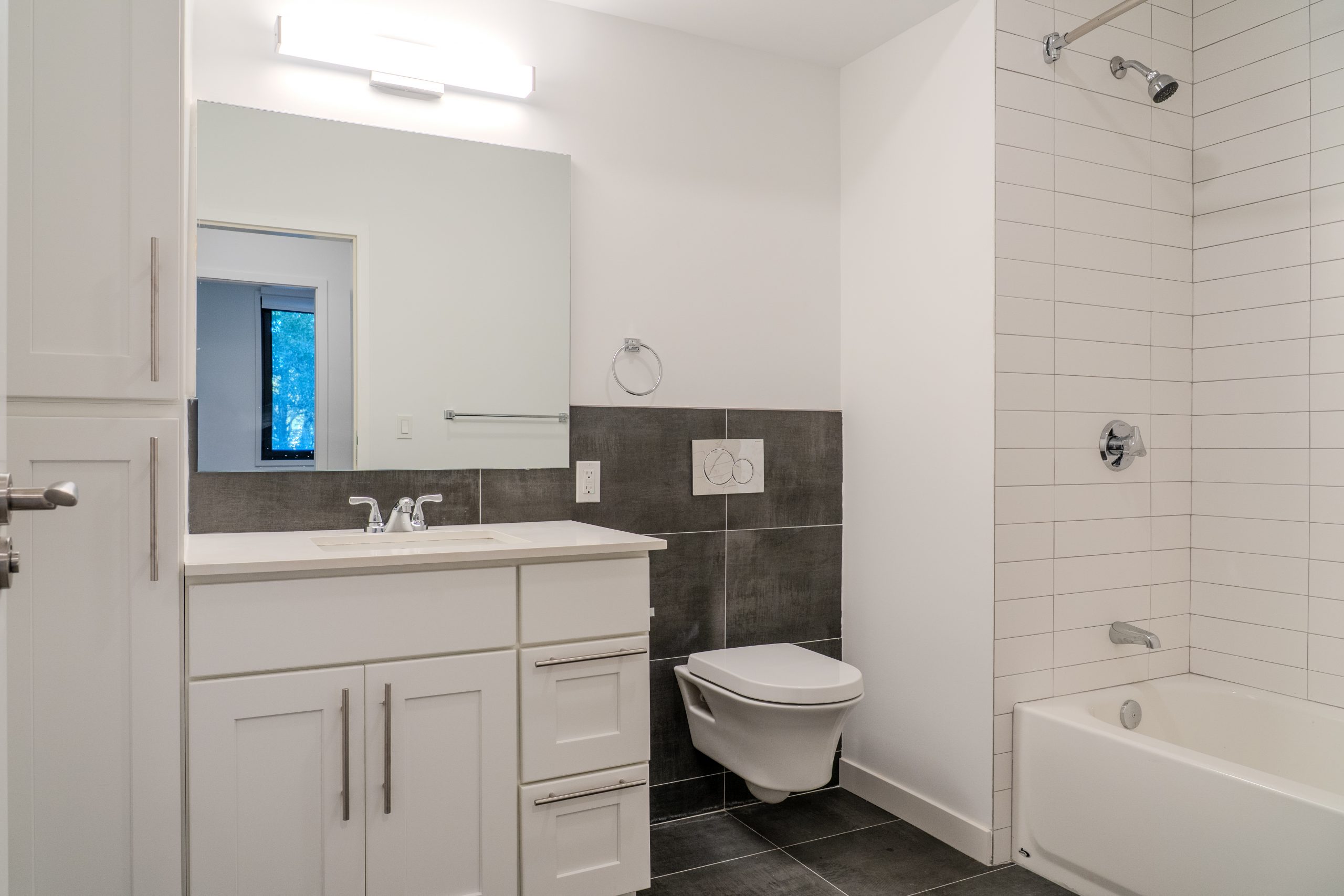
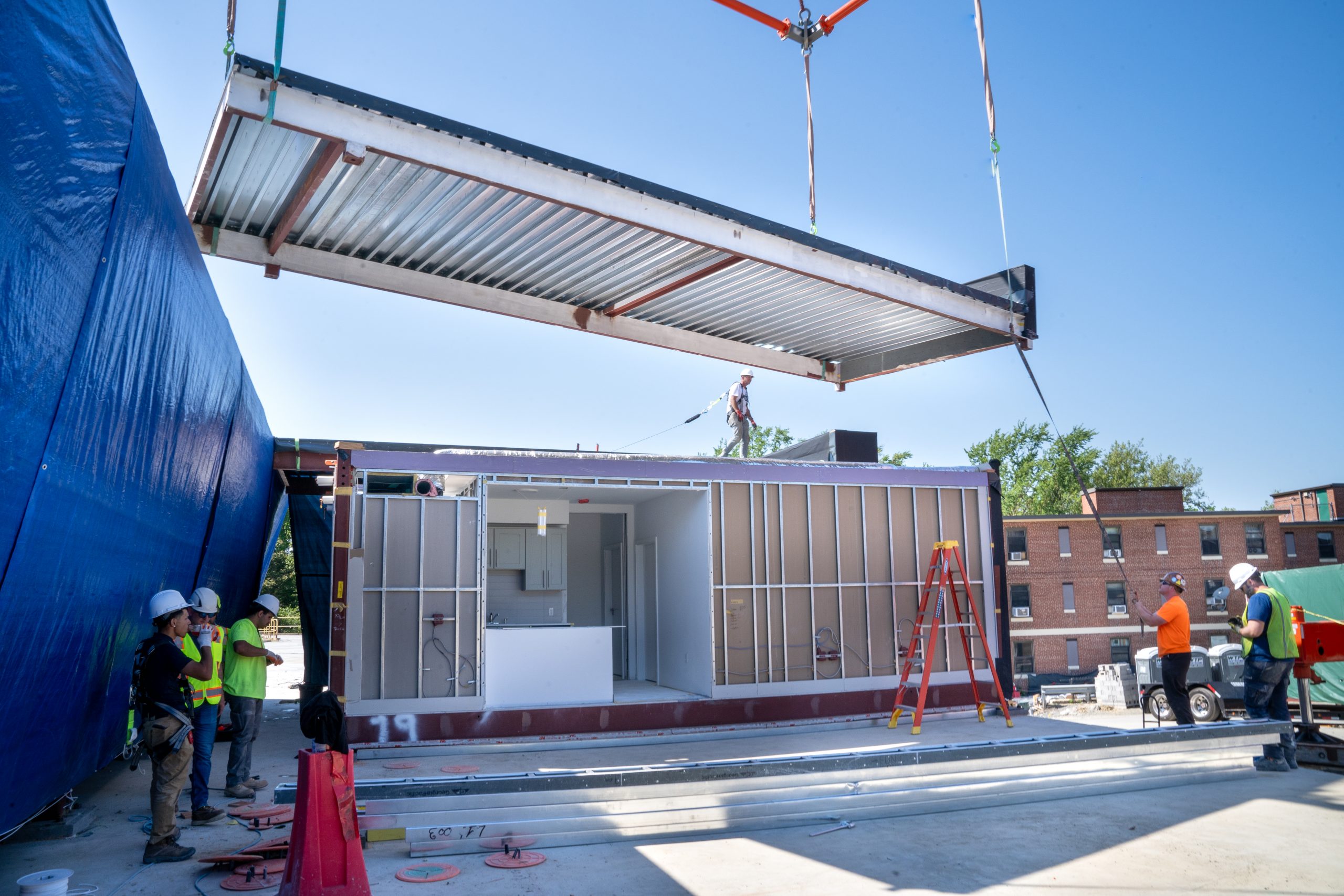
Building E anchors the first phase of the Clarendon Hill Redevelopment, replacing 1940s-era public housing with 168 high-performance new homes. This project introduces a first-of-its-kind steel high-rise modular system to the region, demonstrating that off-site construction can deliver high-density housing with both architectural character as well as schedule efficiencies.
The design team navigated the complex engineering required to adapt Northern European modular technology in a startup modular factory to meet stringent U.S. building codes. To respect the neighborhood scale, the building’s site-built exterior features a varied material palette and rhythmic bays that step down the hillside, breaking up the massing and responding to the site’s natural topography.
Sustainability and resident wellness underpin the design, with the project achieving LEED Platinum certification. The high-performance envelope includes triple-glazed windows and integrated fresh-air systems, while a rooftop solar array offsets common area energy loads. By establishing a new street grid and improved pedestrian connectivity, Building E acts as a catalyst for the broader 561-home master plan, seamlessly reknitting the site back into the West Somerville fabric.
At the heart of the new community, new parks will be programmed for active and passive recreation to invite all residents. These open spaces will be connected by the network of sidewalks linking these critical spaces with the greater Somerville community making them destinations as well as providing opportunities for spontaneous meetings with neighbors.